Canada's urban housing stock presents specific space constraints. Many apartments in cities like Toronto, Vancouver, Montréal, and Calgary are either older buildings with unconventional layouts or newer high-rise condos with open-plan designs and minimal built-in storage. Neither format was designed with the full storage requirements of daily life in mind.
This article covers storage approaches that work within the constraints of small apartments — without permanent modifications, and without buying furniture that makes the space feel more cramped.
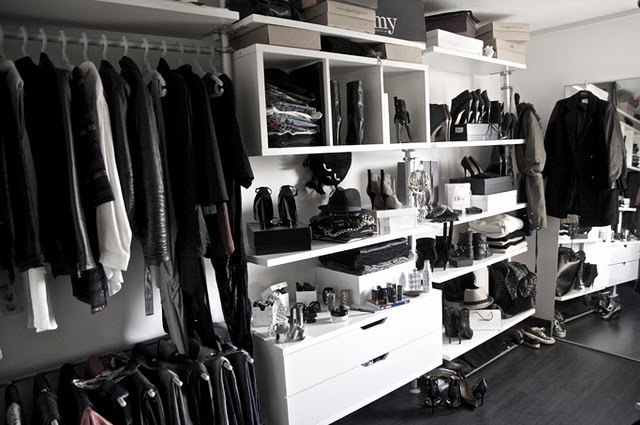
Vertical storage in apartments
The most consistently underused dimension in small apartments is height. Most rental apartments have ceilings between 8 and 9 feet, but storage rarely extends past 6 feet. The space between the top of a wardrobe and the ceiling, or between kitchen cabinets and the ceiling, is usable for seasonal or infrequently accessed items.
Freestanding open shelving units that reach to the ceiling — or close to it — are one of the highest-return storage investments in a small space. They keep items visible, avoid the space penalty of low furniture, and do not require wall anchoring in many configurations. The tradeoff is that high shelves are less accessible for daily-use items; they work best for seasonal storage, overflow items, or infrequent reference materials.
Hallway organization
In older Canadian apartment buildings — particularly pre-war and postwar rental stock in cities like Hamilton, Ottawa, and Winnipeg — a narrow hallway is often the only enclosed entry space. This hallway must handle coats, footwear, bags, keys, and winter gear for the whole household.
A narrow console table (25–30 cm depth) under a wall-mounted coat rack addresses multiple storage needs in a hallway without blocking traffic flow. If the hallway cannot accommodate floor furniture, an over-door organizer on the closet door handles the same items with zero floor footprint.
Seasonal rotation is essential. Winter boots and coats in summer are not entryway items — they are storage items. If a dedicated storage area (locker, basement storage unit) is available, seasonal gear should move there when not in active use. Most newer condo buildings in Canada include assigned locker storage in the building; using it intentionally changes how much space is needed inside the unit.
Multi-function furniture
In a small apartment, furniture that serves one purpose only — a decorative side table, a low bookcase used as a display shelf — represents a space trade-off. Furniture with built-in storage changes this calculus: ottomans with interior storage, beds with under-frame drawers, dining benches with lift-up seats, and sofa beds all address multiple needs from a single footprint.
The relevant question is not whether multi-function furniture is generally better, but whether a specific piece removes the need for a separate item. An ottoman that holds blankets replaces a blanket basket. A bed with under-frame storage replaces a dresser in many bedroom configurations.
Under-bed storage
Under-bed storage is one of the largest underused storage volumes in most apartments. The standard clearance under a bed on legs or a bed frame with slats is 25–35 cm — enough for flat storage boxes, vacuum-compression bags for off-season clothing, or shallow drawers.
Beds directly on platform frames without legs have no under-bed clearance. If replacing a bed frame is an option, frames with built-in drawers or sufficient leg height to accommodate storage boxes are a meaningful upgrade for space-limited situations.
Kitchen storage in small apartments
Small apartment kitchens often have inadequate cabinet space for full cooking setups. Common strategies that work within rental constraints:
- Magnetic knife strips: Mounted inside cabinet doors or on the side of the refrigerator, they keep knives accessible without a knife block taking counter space.
- Over-cabinet hooks: These hang over cabinet doors without hardware and hold cleaning supplies, lids, or cutting boards on the inside of cabinet doors.
- Tension rod dividers: Horizontal tension rods inside cabinets create vertical dividers for baking sheets, cutting boards, and pan lids.
- Narrow rolling carts: A kitchen cart on wheels (20–25 cm depth) fits in spaces between appliances or at the end of a counter run. IKEA's RÅSKOG is a commonly cited example; similar carts are available at Canadian Tire and Walmart Canada.
Bathroom storage in small apartments
Small apartment bathrooms typically have a vanity cabinet below the sink, limited shelf space, and no linen closet. Over-toilet shelving units address vertical bathroom space. Tension-mounted units require no hardware and fit most standard toilets. Freestanding versions are more stable but require more floor space.
The inside of bathroom cabinet doors is a consistently overlooked storage surface. Small adhesive or over-door organizers hold frequently used items — hair tools, cleaning supplies, extra toilet paper — without adding floor or counter footprint.
Living room storage
Open-plan living areas in newer Canadian condos have no natural storage boundaries. Furniture placement creates zones that define storage needs — a dedicated reading area needs a side table and accessible book storage; a work-from-home setup needs desk storage distinct from living room storage.
.jpg)
Low media consoles with doors — rather than open shelves — keep living areas visually calmer and provide closed storage for items that do not need to be constantly accessible. In open-plan layouts, the visual weight of open shelving filled with varied items can make a space feel smaller than closed-door storage of the same volume.
Renter-safe wall modifications
Command strips and adhesive hooks have become reliable for lighter loads — typically up to 3–5 kg depending on the product and wall surface. They are appropriate for coats, bags, artwork, and light shelves. Adhesive strips do not work reliably on textured walls or older plaster surfaces that may not be perfectly smooth. Testing a strip in an inconspicuous area before committing is advisable.
For heavier storage needs, freestanding units remain the appropriate choice in rental situations. Related: Choosing the right storage system for Canadian homes covers the full range of freestanding and wall-mounted options with notes on renter constraints.

.jpg)